Posted by iBuyLesPaul.com
May 11, 2026
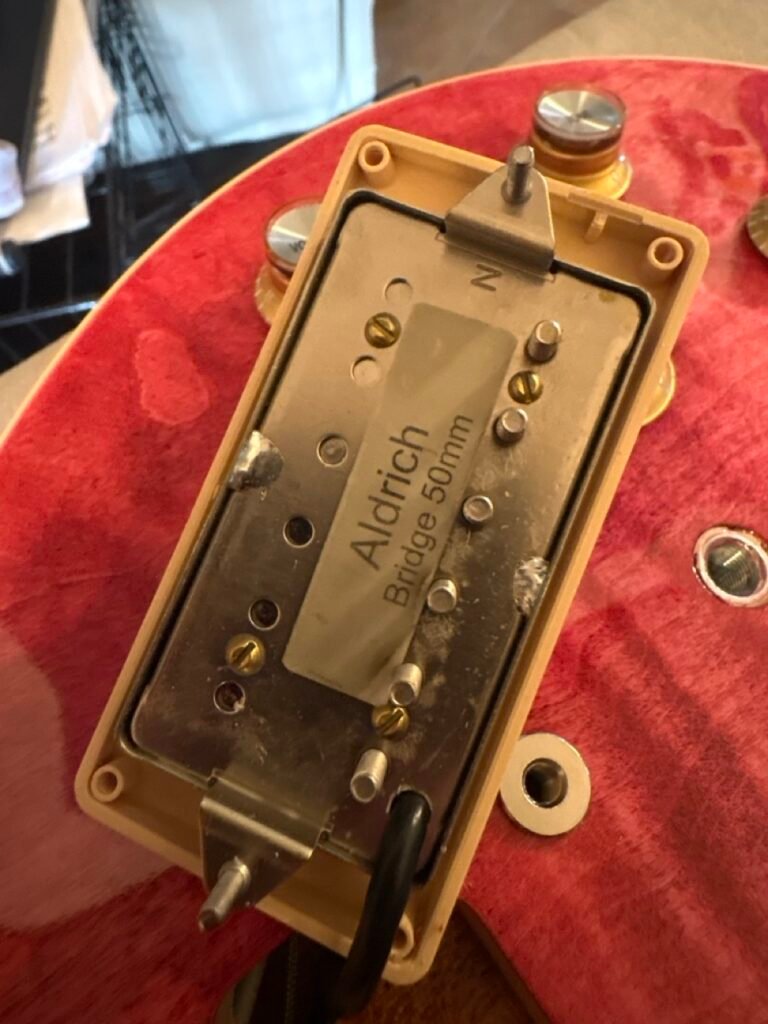
Here’s something nobody in the guitar world likes to say out loud: sometimes lowering the resale value of your Les Paul is absolutely the right call.
Yep, I said it. I buy Les Pauls for a living. I know what modifications do to resale value. And I’m still telling you that making your guitar feel and sound like yours is a completely valid decision — one I respect every time I see it done thoughtfully.
Let’s talk about the upgrades that players actually make, what they do for playability and tone, and what they mean when (or if) you ever decide to sell.
First, Let’s Be Honest About Resale Value
Any modification to a Les Paul — especially a vintage or higher-end model — will typically affect what a buyer is willing to pay. That’s just reality. Collectors want originality. Buyers who are paying a premium are usually paying for what the guitar was, not what you turned it into.
But here’s the flip side: most people who own a Les Paul aren’t selling a collector piece. They’re playing a guitar. And a guitar that doesn’t inspire you to pick it up, or that fights you every time you plug in, isn’t serving its purpose — no matter what it’s worth on paper.
Pickup Swaps: The Most Common Mod, and the Most Misunderstood
Swapping pickups on a Les Paul is practically a rite of passage. Whether you’re pulling out the stock Burstbuckers on a new Gibson or upgrading the ceramics on an Epiphone, aftermarket pickups can genuinely transform the way the guitar speaks.
Popular choices people are putting in Les Pauls right now include Seymour Duncan Seth Lovers, Gibson Custom Burstbuckers, Bare Knuckle humbuckers, and Lollar Imperials. The tonal difference between a mediocre stock pickup and a well-matched aftermarket set can be dramatic — more clarity, better response, and a voice that actually suits the music you’re playing.
What it does to value: On a standard production model, a pickup swap has minimal impact if done cleanly and the originals are kept. On a vintage instrument, it’s a different story. Even a reversible mod like this can drop value significantly if the buyer is a purist.
Tuning Machines: The Upgrade Nobody Regrets
If your Les Paul won’t stay in tune, you’re not going to enjoy playing it — and that’s the end of the story. Replacing worn or budget tuners with a quality set of Grovers, Klusons, or TonePros is one of the most practical upgrades you can make.
Locking tuners in particular are a game-changer for players who do a lot of bending or use the tone controls aggressively. You won’t spend half your set tweaking between songs.
What it does to value: Minimal impact on most production models. On a vintage Gibson, any tuner swap matters. Save the originals — always.
Nut Replacement: Underrated and Often Necessary
A bone or TUSQ nut can improve sustain, open string tone, and tuning stability in ways that are surprisingly audible. A lot of production Les Pauls ship with plastic nuts that are fine at the factory but wear quickly. This is a relatively inexpensive mod that a good tech can do cleanly.
What it does to value: Minimal if done well. A sloppy nut job is a different story — get it done right.
Wiring Upgrades: Pots, Caps, and Output Jacks
Aged or cheap pots can make your volume and tone controls feel unresponsive or scratchy. Swapping in quality CTS pots and a good capacitor — whether you prefer the vintage .022µF paper-in-oil sound or something more modern — can make the whole guitar feel more alive. A switchcraft output jack is cheap insurance against tone-sucking connection issues.
This is the kind of under-the-hood work that most buyers won’t even know happened, but you’ll feel it every time you roll the tone knob.
What it does to value: Very little if done correctly. On a vintage piece, keep originals.
The Big One: Refinishing
Refin decisions are where things get serious. A refinished Les Paul — especially a vintage one — takes a major hit in value. Even a professional refin on a vintage guitar can cut the value dramatically compared to an all-original piece.
But if you bought a player-grade guitar that already has belt rash and dings, and you want it to look a certain way? That’s your call. Just go in with eyes open.
My Take as a Buyer
When I see a Les Paul that’s been upgraded thoughtfully — clean pickup swap, quality hardware, originals in the case — I don’t run from it. I factor it into the offer, but it’s not a dealbreaker. What I look for is whether the work was done with care and whether the guitar was respected in the process.
A Les Paul that’s been loved, played hard, and set up to inspire is still a desirable guitar. Just understand what you’re trading when you modify it, and make the decision that serves you as a player.
If you’ve got a modified Les Paul you’re thinking about selling, bring it to me. I’ll give you a fair, honest assessment — no games.
Play what inspires you.
Sell what doesn’t.
That’s how great guitars keep making music.
One Response