Posted by iBuyLesPaul.com
January 5, 2026
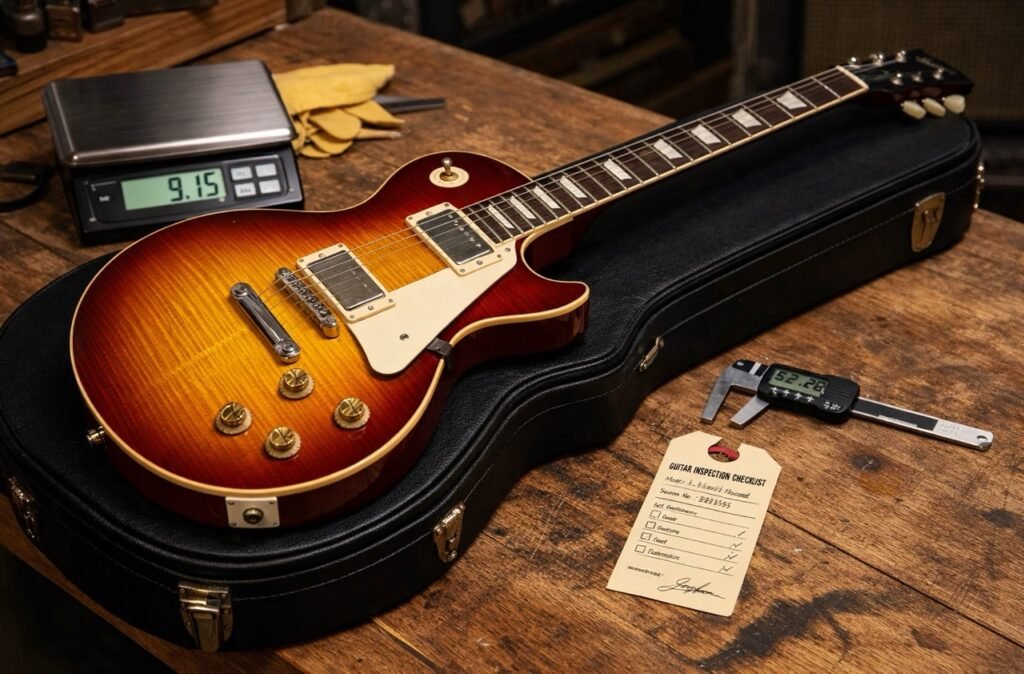
Selling a Gibson Les Paul should be simple. It’s one of the most recognizable and desirable electric guitars ever made. Yet every week, I see sellers unknowingly lose hundreds—or even thousands—of dollars because of avoidable mistakes.
If you’re thinking about selling your Les Paul, avoid these common pitfalls before you list it or accept an offer.
1. Pricing Based on Asking Prices, Not Real Sales
One of the biggest mistakes is pricing a Les Paul based on what others are asking online instead of what guitars are actually selling for.
Reverb, eBay, and forums are full of optimistic prices that never result in a sale. Serious buyers look at completed sales, condition, originality, and desirability—not wishful thinking.
2. Ignoring Condition Details That Matter to Buyers
Two Les Pauls from the same year can differ wildly in value based on small details:
- Headstock repairs (even well-done ones)
- Fret wear or refrets
- Finish checking vs. damage
- Case condition and originality
Failing to disclose—or understand—these details can scare off buyers or lead to returns and disputes.
3. Overlooking Original Parts and Mods
Modifications are one of the most misunderstood aspects of Les Paul value.
Pickup swaps, changed pots, replaced tuners, or added Bigsbys may improve playability—but they often reduce collector value.
Original parts, even if removed, can significantly impact what your Gibson Les Paul is worth.
4. Poor Photos (or Missing the Important Ones)
Blurry photos or glamour shots alone don’t cut it. Buyers want clarity and transparency.
Critical photos include:
- Front and back of the guitar
- Headstock (front and back)
- Serial number
- Control cavity and pickups
- Any wear, dings, or repairs
Great photos build trust. Bad photos cost money.
5. Underestimating Weight and Neck Profile
Weight matters—especially with Les Pauls.
A 9.8 lb example may sell slower or for less than an 8.6 lb one, even if everything else is equal. Neck profile (’50s vs ’60s) also plays a huge role in buyer demand.
Leaving these details out limits your buyer pool.
6. Forgetting Timing and Market Trends
The Les Paul market moves in cycles. Certain models, years, and finishes heat up while others cool off.
Selling at the wrong time—or without understanding current demand—can cost you real money.
7. Choosing the Wrong Way to Sell
Private sales, online marketplaces, and auctions all come with fees, delays, scams, and returns.
Many sellers underestimate:
- Platform fees
- Payment holds
- Shipping risks
- Buyer disputes
Sometimes the highest asking price is not the best outcome.
Thinking About Selling Your Gibson Les Paul?
At ibuylespaul.com, I specialize in buying Gibson Les Paul guitars directly—no listings, no fees, no waiting.
If you want a straightforward, informed offer based on real market data, condition, and originality, you’re in the right place.
Know what you have before you sell it.
Rock on,
The iBuyLesPaul.com Team
We Buy, Sell, and Obsess Over Les Pauls Daily